
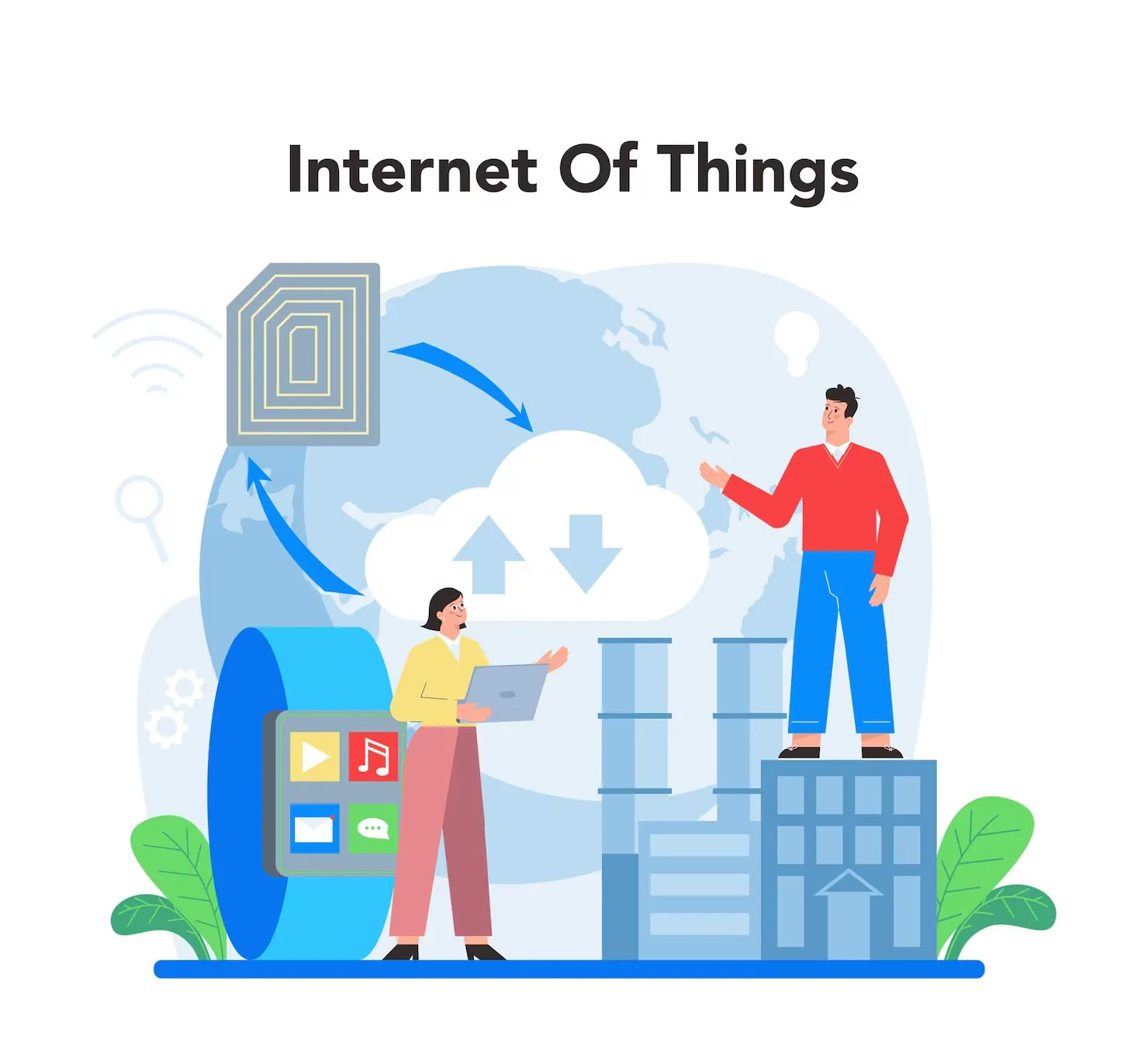
As enterprises grow their digital presence, one of the most prevalent queries arises: Is your technology ecosystem actually interconnected, or are you operating some silo systems that do not scale effectively with each other? Organizations spend heavily on IoT devices, sensors, and platforms, yet they still face fragmented data, limited visibility, and slow decision-making. At this point, IoT system integration solutions will be critical. Enterprises require a single-scale digital foundation that integrates devices, platforms, and data streams into a coherent, connected IoT implementation rather than adding more disconnected tools.
The Enterprise Challenge: Fragmented IoT Deployments
Business situations are complex. IoT applications are often deployed across diverse environments, using various protocols, vendors, and platforms. This approach creates both data silos and operational blind spots over time. Without IoT system integration solutions, organisations suffer from slow insights, duplication of effort, and high operational expenses.
As digital initiatives grew, this problem multiplied. Businesses require mechanisms to communicate across locations, assets, and business units without issues. Integration is no longer a technical afterthought; it is a strategic requirement for sustainable digital growth.
The Role of System Integration in Digital Scaling
At its core, IoT system integration solutions act as the connective tissue of an enterprise IoT ecosystem. They bring together diverse devices, legacy systems, and cloud platforms into a single operational framework. This integration allows for a steady flow of data, uniform processes, and centralized management, essential elements for large-scale digital change
By adopting IoT system integration solutions, organizations can scale their initiatives without increasing complexity. You can smoothly add new devices and applications without disrupting existing operations or creating new silos.
Why Multi-Protocol Support Enables Flexibility
Businesses do not often operate on a single standard of communication. Various protocols are common across sensors, machines, and control systems, depending on age, functionality, or manufacturer. Multi-protocol IoT integration enables organizations to integrate all these assets without changing their existing infrastructure.
Enterprises can implement new technology while continuing to use legacy systems through multi-protocol IoT integration. This will save money, minimize deployment times, and make digital scaling a viable process rather than a disruptive one. In the long run, multi-protocol IoT integration is a primary facilitator of innovation within the enterprise environment.
Interoperability: The Foundation for Long-Term Growth
The integration is insufficient when systems cannot collaborate intelligently. Interoperability of IoT systems ensures the sharing, interpretation, and action of data gathered from other sources across platforms. This interoperability enables businesses to move beyond simple monitoring to advanced analytics and automated solutions. Interoperability of IoT systems will allow companies to overcome departmental barriers, align operational data with business objectives, and achieve long-term scalability. Without strong interoperability in IoT systems, digital growth has stalled because different platforms can’t work together, and there isn’t enough data access.
Unified Dashboards for Real-Time Decision-Making
One short-term effect of integration is increased visibility. Unified IoT dashboards enable centralized monitoring of operations and a unified interface for working with various systems. This enables faster insights, simpler reporting and more confident decision-making.
By using unified IoT dashboards, enterprise leaders will no longer need to monitor performance, detect anomalies, or track KPIs in real time. Teams do not need to alternate between two shared views of operation; it helps them collaborate. In the long run, unified IoT dashboards will be essential for managing complex and distributed enterprise setups.
Key Benefits of Integrated IoT Systems
When properly implemented, integrated IoT ecosystems bring quantifiable enterprise value:
- Rapid scaling with complexity-free operation.
- Enhanced asset and location visibility.
- Less integration and maintenance expenses.
- Enhanced automation and analytics-based.
These advantages underscore why the integration of IoT solutions is key to current digital strategies.
Connecting Enterprise Scaling with the Right Technology Partner
Digital scaling does not mean simply adding devices; it means linking intelligently. This is the area where companies such as 6th Energy Technologies play a crucial role. Sixth Energy helps businesses build connected systems that are ready for the future by offering strong platforms that allow different IoT protocols to work together, ensure IoT systems can communicate with each other, For organizations seeking to scale, optimize complexity, and achieve real operational benefits, engaging a knowledgeable IoT integration provider may make a difference.

Really enjoying this article! The convenience of quick peso transactions-like those offered via jl29 app download apk-definitely elevates the whole gaming experience. Makes it so easy to jump in and play! 👍
Interesting read! Data-driven approaches to betting, like those used on 711bet apk, can definitely shift the odds in your favor. Understanding player metrics is key to smart play! It’s good to see platforms catering to the Filipino market too.